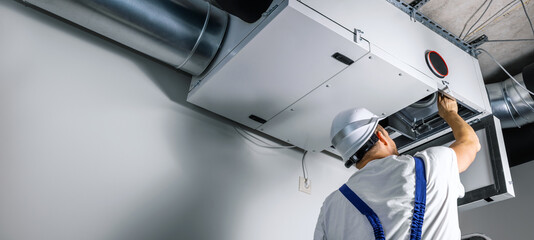
Take a deep breath inside your home. The air may feel clean and comfortable, yet much of what circulates through a house travels through a hidden network that most people rarely see. Behind walls, ceilings, and floors lies the air duct system that carries heated or cooled air from one room to another. Every time the heating or cooling system turns on, air flows through these ducts and spreads throughout the home.
Over time, dust, debris, and other particles can collect within this system. While some of these particles remain inside the ductwork, others may circulate through living spaces when airflow pushes them out of the vents. This buildup can affect indoor air quality and reduce the efficiency of heating and cooling systems. Air duct cleaning is designed to remove these hidden contaminants and restore a cleaner airflow throughout the home. Understanding how air duct cleaning works and why it matters can help homeowners maintain a healthier and more comfortable indoor environment. Visit Site to learn more.
What Air Ducts Do in a Home
Air ducts are an essential part of a home’s heating and cooling system. These channels distribute air from the central system to each room in the building. When the system operates, conditioned air travels through the duct network and exits through vents located in walls, floors, or ceilings.
The system also works in reverse. Return ducts pull air from the living spaces and carry it back to the central unit where it is filtered and conditioned again before being redistributed.
Because air ducts continuously move air throughout the home, they also collect particles that travel through the air. Dust, pet hair, pollen, and other airborne debris can gradually accumulate inside the ductwork.
While some buildup is normal, excessive accumulation can affect how efficiently the system operates. Cleaning the duct system helps remove these materials and restore smoother airflow throughout the home.
How Dust and Debris Build Up in Duct Systems
The buildup of dust inside ductwork happens gradually over time. Each day, tiny particles circulate through the air as people move around the house, open doors, or bring in items from outside.
Some of these particles are captured by the air filtration system, but others settle inside the ducts. Over time layers of dust may form along the interior surfaces of the duct system.
Household activities contribute to this process as well. Cooking, cleaning, and even walking across floors can stir particles into the air that eventually enter the ventilation system.
Pet hair and dander are also common sources of duct contamination. Homes with pets may experience faster buildup because these particles circulate frequently through the indoor environment.
In some cases construction or renovation work can introduce additional dust into the system. Without proper cleaning, these materials may remain trapped inside the ductwork long after the project is completed.
Signs That Air Duct Cleaning May Be Needed
Although air ducts are hidden from view, certain signs may indicate that cleaning is necessary. One of the most noticeable indicators is visible dust around air vents. If dust appears quickly after cleaning surfaces, the duct system may contain accumulated debris.
Another common sign is a musty or stale odor when the heating or cooling system begins running. This smell may come from dust or moisture trapped inside the ductwork.
Increased allergy symptoms among household members may also signal the need for duct cleaning. Dust, pollen, and other allergens circulating through the air system can contribute to irritation for sensitive individuals.
Reduced airflow from vents can sometimes indicate that debris is obstructing the duct system. When airflow is restricted, heating and cooling systems may need to work harder to maintain comfortable temperatures.
Recognizing these signs can help homeowners determine when duct cleaning may be beneficial.
The Air Duct Cleaning Process
Air duct cleaning involves removing dust and debris from the entire ventilation system. This process typically begins with an inspection to assess the condition of the ducts and identify areas where buildup has occurred.
During the inspection, technicians may examine supply ducts, return ducts, vents, and other components of the air circulation system. This evaluation helps determine the extent of cleaning required.
Once the system has been assessed, specialized equipment is used to loosen debris inside the ductwork. Brushes or air tools may be used to dislodge dust that has adhered to the interior surfaces.
High powered vacuum systems are then used to extract the loosened debris from the ducts. These systems pull the particles out of the ductwork and contain them so they do not reenter the living space.
In addition to cleaning the ducts themselves, vents and registers are also cleaned to remove dust that may have collected around the openings.
Benefits of Clean Air Ducts
Air duct cleaning provides several benefits that contribute to a healthier and more comfortable home environment. One of the most significant advantages is improved indoor air quality.
Removing dust and debris from the ventilation system reduces the number of airborne particles circulating through the home. This can be especially helpful for individuals who are sensitive to allergens.
Clean ductwork can also improve the efficiency of heating and cooling systems. When airflow moves freely through the ducts, the system does not need to work as hard to distribute conditioned air.
Another benefit is the reduction of unpleasant odors. Dust, mold, or other contaminants trapped inside the duct system may produce lingering smells when air flows through the vents. Cleaning helps eliminate these sources and restore fresh airflow.
Regular maintenance of the duct system also helps protect the longevity of the heating and cooling equipment by reducing strain on the system.
Maintaining Clean Air Ducts
Although professional cleaning removes accumulated debris, ongoing maintenance helps keep duct systems clean for longer periods. One of the most important maintenance steps is replacing air filters regularly.
Air filters capture many of the particles that would otherwise enter the duct system. When filters become clogged, they lose their ability to trap dust effectively. Replacing them according to recommended schedules helps maintain cleaner airflow.
Keeping living spaces clean also contributes to better duct conditions. Vacuuming carpets and dusting surfaces reduces the number of particles that circulate through the air.
Controlling humidity within the home can also help prevent issues inside the duct system. Excess moisture may contribute to mold growth in certain situations, so maintaining balanced humidity levels supports a healthier environment.
By combining regular maintenance with occasional professional cleaning, homeowners can keep their ventilation systems functioning efficiently.
Long Term Impact of Proper Duct Maintenance
Maintaining a clean duct system benefits both the home and its occupants over the long term. Clean ducts help ensure that the heating and cooling system delivers air efficiently to each room.
This efficiency contributes to consistent indoor temperatures and reduced strain on mechanical equipment. When airflow moves freely through the ducts, the system can operate more smoothly and effectively.
Clean air ducts also support a healthier indoor environment by reducing the amount of dust and allergens circulating through the home. Over time this can create a more comfortable space for everyday living.
By paying attention to duct maintenance, homeowners can protect the performance of their ventilation systems while maintaining better air quality throughout the house.
Conclusion
Air duct cleaning is an important part of maintaining a healthy and efficient home environment. Although ductwork is hidden behind walls and ceilings, it plays a crucial role in distributing air throughout the living space.
Over time dust, debris, and allergens can accumulate inside the system and affect both air quality and airflow. Cleaning the duct network removes these contaminants and helps restore a cleaner circulation of air.
When combined with regular filter replacement and good home maintenance practices, air duct cleaning can contribute to improved comfort and better system performance. By understanding the importance of this process, homeowners can take steps to ensure that the air circulating through their homes remains fresh and healthy.
