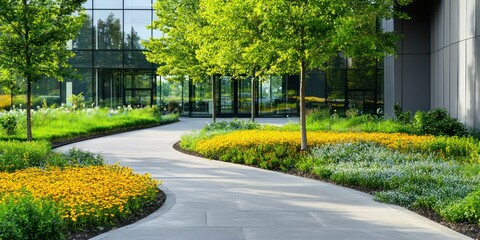
Step outside and imagine your yard as a place where every detail feels intentional. Paths guide you naturally, plants thrive in the right spots, and each area serves a purpose. A well designed outdoor space does not happen by accident. It is the result of thoughtful outdoor landscaping design that blends beauty, function, and balance.
Outdoor Landscaping Honolulu design is more than arranging plants or adding features. It is about creating an environment that reflects your lifestyle while making the most of your available space. Whether you want a relaxing retreat or an area for entertaining, a good design brings everything together.
What Is Outdoor Landscaping Design
Outdoor landscaping design is the process of planning and organizing outdoor spaces to improve both appearance and usability. It combines natural elements like plants with structural features such as patios, walkways, and lighting.
The goal is to create a cohesive layout where every element works together. This includes considering how the space will be used, how it looks, and how it will be maintained over time.
Design takes into account factors such as climate, soil conditions, and sunlight. These details ensure that the landscape remains healthy and functional.
A well designed landscape enhances both comfort and property value.
Key Elements of Outdoor Landscaping Design
Outdoor landscaping design involves several important elements. Plants are a central feature, adding color, texture, and life to the space.
Hardscape elements such as patios, pathways, and retaining walls provide structure. These features define areas and improve accessibility.
Water features like fountains or ponds can add a calming effect and visual interest. Lighting enhances safety and creates ambiance during evening hours.
Open space is also important. It allows the design to feel balanced and prevents overcrowding.
Combining these elements thoughtfully creates a cohesive and inviting environment.
Popular Outdoor Landscaping Design Styles
There are many design styles to choose from, depending on your preferences. Modern designs focus on clean lines, minimal elements, and a simple color palette.
Traditional designs often include symmetrical layouts, lush greenery, and classic features such as stone pathways.
Natural or organic designs aim to blend with the surrounding environment. These spaces use native plants and flowing layouts.
Contemporary styles mix modern and natural elements, creating a balance between structure and softness.
Choosing a style helps guide decisions and ensures a consistent look.
The Outdoor Landscaping Design Process
The design process typically begins with a consultation. This is where goals, preferences, and budget are discussed.
Next, a site analysis is conducted. This includes evaluating soil, sunlight, drainage, and existing features.
A design plan is then created, outlining the layout and elements of the space. This may include sketches or detailed drawings.
Once the design is approved, installation begins. This involves preparing the area, adding features, and planting.
A final review ensures that the space meets expectations and functions as intended.
Each step is essential for achieving a successful design.
Benefits of Outdoor Landscaping Design
Outdoor landscaping design offers several advantages. One of the main benefits is improved functionality. A well planned space makes it easier to relax, entertain, or move around.
Visual appeal is another benefit. A thoughtfully designed landscape enhances the overall look of your property.
Proper design also supports plant health by placing them in suitable conditions.
Increased property value is another advantage. Attractive outdoor spaces can make a strong impression.
In addition, a well designed landscape can reduce maintenance by using efficient layouts and appropriate materials.
Design Tips for a Successful Landscape
Creating a successful outdoor design involves careful planning. Start by defining how you want to use the space. This helps guide layout decisions.
Choose plants that are suited to your climate and soil. This ensures long term health and reduces maintenance.
Consider flow and movement. Pathways and open areas should make it easy to navigate the space.
Balance is important. Combining different elements without overcrowding creates a more inviting environment.
Think about maintenance. Selecting low maintenance options can make upkeep easier.
These tips help create a landscape that is both beautiful and practical.
Common Mistakes to Avoid
Certain mistakes can affect the success of a landscaping design. Overcrowding the space with too many elements can make it feel cluttered.
Ignoring environmental factors such as sunlight and drainage can lead to plant issues.
Lack of planning may result in a design that does not function well.
Choosing plants or materials without considering maintenance requirements can create long term challenges.
Avoiding these mistakes helps ensure a more successful outcome.
Maintaining Your Outdoor Landscape
Once your design is complete, regular maintenance is essential. Watering, pruning, and cleaning help keep the space in good condition.
Seasonal care ensures that plants remain healthy throughout the year. This may include fertilizing and trimming.
Inspecting features such as pathways and lighting helps maintain functionality.
Consistent upkeep preserves the beauty and value of your landscape.
Final Thoughts
Outdoor landscaping design is the foundation of a beautiful and functional outdoor space. It brings together natural and structural elements to create an environment that enhances your lifestyle.
By understanding the design process and key elements, you can make informed decisions that lead to a successful project. With proper planning and maintenance, your outdoor space can become a place of comfort, beauty, and enjoyment.
In the end, outdoor landscaping design is more than just arranging elements. It is about creating a space that reflects your vision and provides a setting where you can relax and connect with the outdoors.