
Plumbing

What to Do When Plumbing Problems Strike Unexpectedly

Plumbing

A plumbing emergency can happen at the worst possible moment. One minute everything in the home seems perfectly normal, and the next there is water flooding the floor, a burst pipe spraying across the room, or a toilet overflowing without warning. These situations can quickly create panic and costly damage if they are not handled immediately.

Emergency plumbing services are essential for protecting homes from severe water damage, restoring plumbing systems quickly, and helping homeowners regain peace of mind during stressful situations. Contact your local Emergency Plumber San Fernando for more details.

Understanding What Counts as a Plumbing Emergency

Not every plumbing issue requires immediate emergency service, but some problems can quickly become serious if ignored. A plumbing emergency usually involves situations that threaten the safety of the home, interrupt essential water usage, or risk significant property damage. Burst pipes, severe leaks, overflowing toilets, sewer backups, and water heater failures are among the most common examples.

One of the biggest concerns with emergency plumbing situations is the speed at which water damage can spread. Even a small pipe leak can soak walls, flooring, and furniture within a short period. Larger plumbing failures can cause structural damage, electrical hazards, and mold growth if water is not stopped quickly.

Sewer backups are another major emergency because they create unsanitary conditions inside the home. Wastewater exposure can pose serious health risks and should always be addressed immediately. Understanding which plumbing issues require urgent attention helps homeowners respond quickly and reduce the impact of the damage.

Common Causes of Emergency Plumbing Problems

Many emergency plumbing situations develop because of long term wear or hidden issues within the plumbing system. Aging pipes are one of the most common causes. Over time, corrosion, pressure changes, and weakened materials can lead to cracks or sudden pipe bursts.

Clogged drains and sewer lines can also create emergencies. Grease buildup, debris, wipes, and tree roots may block wastewater flow and cause severe backups. When pressure builds behind a blockage, water can overflow into sinks, tubs, or toilets unexpectedly.

Frozen pipes are another major cause of emergency plumbing problems in colder conditions. When water freezes inside pipes, it expands and increases pressure until the pipe eventually cracks or bursts. Once the ice melts, water may flood the surrounding area rapidly.

Water heater malfunctions can also create urgent situations. Leaking tanks, broken pressure valves, or complete system failures may interrupt hot water access or damage nearby flooring and walls. Regular maintenance helps reduce these risks, but emergencies can still happen unexpectedly.

Signs You Need Emergency Plumbing Services

One of the clearest signs of a plumbing emergency is uncontrolled water leakage. If water is pouring from pipes, ceilings, or fixtures and cannot be stopped easily, immediate professional help is necessary. Delaying repairs can result in extensive property damage within hours.

Sudden loss of water pressure throughout the home may also indicate a serious plumbing issue. This could suggest a hidden pipe break, major leak, or sewer line problem affecting the system. Multiple drains backing up at the same time is another warning sign that often points to a severe blockage in the main sewer line.

Foul odors coming from drains or standing water around the property may indicate sewer system issues that require immediate attention. These smells should never be ignored because they may signal wastewater leaks or contamination.

Water stains on ceilings, bubbling paint, or damp walls can also point to hidden plumbing emergencies. Even if the source of the leak is not visible, moisture spreading inside the home can weaken structures and encourage mold growth over time.

What to Do During a Plumbing Emergency

The first step during a plumbing emergency is to stop the water flow if possible. Shutting off the main water valve can help prevent further flooding and reduce damage while waiting for professional assistance. Every homeowner should know the location of the main shut off valve before an emergency occurs.

Electricity should also be considered during severe water leaks. If water is spreading near electrical outlets or appliances, turning off power to the affected area may help prevent safety hazards. However, homeowners should never enter standing water near active electrical systems.

Removing valuable belongings and furniture from affected areas can help minimize damage. Towels, buckets, and temporary containment methods may reduce the spread of water until professionals arrive. Taking quick action during the first few minutes of a plumbing emergency often makes a significant difference in limiting repair costs.

It is also important to avoid using plumbing fixtures during a sewer backup or severe drain issue. Continuing to run water may worsen the problem and increase the amount of wastewater entering the home.

Emergency Pipe Repair Services

Burst or leaking pipes are among the most common reasons homeowners call for emergency plumbing services. Pipe damage can occur because of corrosion, freezing temperatures, shifting foundations, or excessive water pressure. Emergency pipe repair focuses on stopping leaks quickly and restoring proper water flow throughout the home.

Professionals often begin by locating the damaged section of pipe and isolating the problem area. Temporary solutions may be used initially to stop water damage before permanent repairs are completed. Depending on the severity of the issue, damaged pipe sections may be repaired or replaced entirely.

Modern plumbing repair methods often minimize disruption to walls and flooring. Early intervention is critical because prolonged leaks can damage insulation, drywall, and structural materials. Fast emergency repair helps reduce both water damage and long term repair costs.

Emergency Drain and Sewer Services

Drain and sewer emergencies can quickly create unsafe and unpleasant conditions. Severe clogs may cause wastewater to back up into sinks, showers, or toilets. Sewer line blockages often affect multiple drains at once and may indicate problems deep within the plumbing system.

Emergency drain cleaning removes major obstructions and restores proper wastewater flow. Specialized equipment such as augers and hydro jetting systems may be used to clear stubborn blockages caused by grease, debris, or tree roots.

Sewer line inspections are also important during emergencies because they help identify cracks, collapses, or hidden damage underground. Camera inspection technology allows professionals to locate the exact source of the problem without unnecessary digging.

Quick response during sewer emergencies helps reduce contamination risks and prevents wastewater from spreading further throughout the property.

Water Heater Emergencies

Water heater problems can disrupt daily routines and create significant water damage if not addressed quickly. Leaking water heaters are especially serious because they may release large amounts of water onto surrounding flooring and walls. In some cases, pressure buildup inside the tank can also create safety concerns.

A sudden loss of hot water may indicate heating element failure, thermostat problems, or tank damage. Strange noises such as banging or rumbling often suggest sediment buildup inside the tank, which may reduce efficiency and increase system strain.

Emergency plumbing services for water heaters focus on diagnosing the issue quickly and restoring safe operation. Depending on the condition of the unit, repairs or full replacement may be recommended to ensure long term reliability.

Routine maintenance can help reduce the likelihood of sudden water heater failures, but immediate service is essential when major leaks or malfunctions occur.

Preventing Future Plumbing Emergencies

Preventive maintenance is one of the best ways to reduce the risk of plumbing emergencies. Routine inspections help identify worn pipes, hidden leaks, and drainage problems before they turn into urgent situations. Addressing small issues early often prevents expensive water damage later.

Drain maintenance is also important for preventing severe clogs and sewer backups. Avoiding grease, wipes, and non biodegradable materials helps keep drains flowing properly. Scheduling professional drain cleaning periodically can further reduce blockage risks.

Protecting pipes during colder weather helps prevent freezing and bursting. Insulating exposed pipes and maintaining proper indoor temperatures during winter conditions can significantly lower the chances of frozen plumbing lines.

Water heater maintenance, pressure monitoring, and timely fixture repairs all contribute to healthier plumbing systems and fewer emergency situations over time.

Conclusion

Emergency plumbing services are essential for protecting homes from sudden water damage, sewer backups, and major plumbing failures. Plumbing emergencies can escalate quickly, causing structural damage, sanitation concerns, and expensive repairs if not handled immediately.

Understanding the warning signs of serious plumbing problems and responding quickly can help homeowners minimize damage and restore normal conditions faster. From burst pipes and sewer line issues to water heater failures and severe leaks, professional emergency plumbing services provide critical support during stressful situations.

Preventive maintenance and regular inspections also play a major role in reducing the likelihood of emergencies. A well maintained plumbing system offers greater reliability, improved efficiency, and peace of mind for homeowners every day.

Tree Services

Silent Giants: The Hidden Depth of Modern Tree Removal

Trees shape our landscapes in ways we rarely notice. They anchor soil, shade homes, and offer habitats to countless species. Yet there are times when their presence shifts from blessing to burden. And when that happens, tree removal becomes not just a choice but a necessity.

Tree Removal

The act of removing a tree is often misunderstood. Many see it only as the final blow to a once-living thing. But in reality, the process involves science, safety, and sustainability woven together. It is about balance, not destruction, and about ensuring that ecosystems and human spaces coexist without harm. Contact Worcester Tree Removal for professional help.

Modern tree removal is no longer just cutting and clearing. It has evolved into a complex field blending arboriculture, engineering, and environmental science. Each decision to remove a tree now follows a thorough evaluation of risk, health, and ecological impact. This approach ensures that every action is intentional and responsible.

One of the main reasons trees must be removed is safety. A large tree near a structure may seem harmless until a storm arrives. Heavy winds or saturated soil can make weakened roots fail, turning the tree into a hazard. In such situations, proactive removal prevents accidents and costly damage.

Disease is another silent force behind many removals. Fungal infections, insect infestations, or internal decay can spread unnoticed. A tree that appears healthy on the outside may be hollow within, waiting to collapse. By removing such trees, arborists prevent the spread of pathogens and protect surrounding vegetation.

Urban expansion also plays a significant role in the need for removal. As cities grow and infrastructure demands increase, space becomes a premium. Old root systems can interfere with foundations, utilities, and roads. Tree removal in these scenarios allows for development while encouraging replanting in more suitable areas.

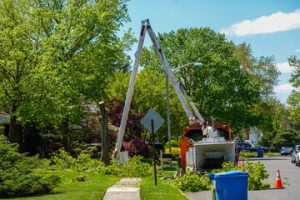
Technological advancements have transformed how removals are done. Gone are the days of simple chainsaws and guesswork. Today, drones assess canopy health, sensors detect structural weaknesses, and cranes lift sections with precision. This reduces risk for workers and minimizes disruption to the surrounding environment.

Environmental responsibility is now at the core of the process. Professionals plan removals with biodiversity in mind, ensuring that animal habitats are relocated or replaced. Some projects even integrate reforestation as part of their removal plans. This balance allows nature to recover and evolve alongside human needs.

Tree removal is not always a sign of neglect or carelessness. In many cases, it is part of a broader ecosystem management plan. Removing one tree might save an entire grove from disease. Clearing old growth could open space for young, resilient species to thrive. Every cut can serve a larger purpose.

The timing of removal is critical and often underestimated. Removing a tree during dormancy can reduce stress on nearby plants and minimize soil disruption. Seasonal planning also ensures better chances for replanting and ecological recovery. Timing decisions can mean the difference between ecological harm and harmony.

Roots often present challenges long after a tree is gone. They can continue to grow, damage underground systems, or even sprout new shoots. Advanced removal techniques address this by excavating or treating root systems to prevent future issues. This hidden step is essential to truly resolving the risks associated with tree removal.

Safety standards in the industry have also evolved dramatically. Strict protocols guide how teams assess hazards, set up work zones, and execute cuts. Protective gear, rigging systems, and emergency procedures are all part of modern practice. These precautions ensure that both property and people remain safe throughout the process.

The decision to remove a heritage or ancient tree is one of the most complex challenges. Such trees often hold historical, cultural, or ecological value. Removing them requires collaboration between experts, communities, and environmental agencies. In many cases, creative solutions are explored to preserve the legacy while addressing safety.

Climate change is influencing removal decisions too. Shifts in weather patterns, stronger storms, and changing soil conditions alter how trees grow and decline. What was once considered a healthy lifespan may now be shortened by stress factors. Tree removal planning must adapt to these evolving realities.

Public perception often complicates removal projects. People can feel emotionally connected to certain trees, making their removal controversial. Open communication, clear explanations, and community involvement are essential. Transparency transforms opposition into understanding and fosters support for responsible management.

Economic considerations also shape decisions. While tree removal can be costly, neglecting a dangerous tree can result in far greater expenses. Insurance claims, property repairs, and legal liabilities far outweigh proactive removal. Understanding the long-term financial picture is a crucial part of the decision-making process.

Urban planners are now integrating tree removal into broader green infrastructure strategies. Instead of seeing it as a loss, they view it as a phase in landscape evolution. Removed trees are replaced strategically to create stronger, healthier canopies. This long-term vision ensures that cities remain both safe and green.

Waste from removed trees is no longer treated as mere debris. Wood chips become mulch, logs are repurposed for construction, and even sawdust finds industrial use. Recycling the byproducts of removal reduces waste and adds value. It transforms what was once discarded into a sustainable resource.

The concept of selective removal is gaining traction in forest management. Instead of clear-cutting, specific trees are removed to encourage biodiversity and prevent overcrowding. This technique mimics natural ecological cycles and strengthens overall forest health. It is a reminder that removal can also mean renewal.

Education and certification play vital roles in modern removal practices. Trained arborists understand tree biology, risk assessment, and environmental law. Their expertise ensures that every removal is justified, safe, and ecologically sound. As the industry professionalizes, the quality and integrity of services continue to rise.

Global discussions around tree removal are also changing. The focus is shifting from reactive cutting to proactive planning and prevention. Strategies like regular pruning, soil care, and disease monitoring reduce the need for full removal. This preventative mindset reflects a deeper respect for the life cycle of trees.

For property owners, understanding when and why to remove a tree is essential. Visual signs like leaning, cracking, or fungus growth can be early warnings. Consulting professionals before these issues escalate can prevent damage and ensure safety. Informed decisions protect both property and the environment.

The emotional aspect of tree removal should not be overlooked. Trees often hold memories, mark milestones, or define spaces. Removing them can feel like erasing a part of one’s history. Recognizing and honoring that emotional connection is an important part of the process.

Tree removal is also part of disaster response strategies. After storms, earthquakes, or fires, weakened trees pose immediate threats. Rapid assessment and removal help restore safety and support recovery efforts. In these cases, removal becomes a vital tool for rebuilding and resilience.

Looking ahead, the future of tree removal lies in integration with broader sustainability goals. As technology advances and awareness deepens, removal will become even more precise and thoughtful. Innovations like robotic climbers and AI-based risk assessment are already emerging. These tools promise a future where removal is safer, faster, and more environmentally conscious.

What remains constant is the need for balance. Every decision to remove a tree must weigh human safety, environmental health, and ecological continuity. It is a delicate equation with no one-size-fits-all answer. Yet when done correctly, removal becomes a bridge between progress and preservation.

In the end, tree removal is not about loss. It is about stewardship—about managing landscapes so that nature and humanity thrive together. It is about making space for growth, safety, and renewal. And it is about understanding that even in removal, there is life, purpose, and hope.

The silent giants that fall give way to new chapters in our shared story with nature. Their absence teaches us responsibility, foresight, and respect. And their legacy continues, not just in the roots that remain, but in the future they make possible.

Tree removal is more than a task—it is a reflection of our evolving relationship with the living world. It shows how we adapt, how we protect, and how we grow. It is both an end and a beginning, a farewell and an invitation to reimagine what comes next.

Even as the saws quiet and the stumps fade into the earth, the work is never truly finished. Nature continues its cycle, and so must we. And with each decision, we shape a landscape where safety, sustainability, and beauty can coexist in harmony.

Antiques

The Benefits of Buying Antiques

Antiquariato are items of a specific age that have been handed down through generations. They are often found at auction sales and in dealers’ shops.

Antiques

Key valuation factors include rarity, condition and authenticity. Documentation is also important. Market trends influence value; for example, some styles, periods or makers may be more sought after than others.

Antiques can be a great investment, especially when they are well-cared for. They often increase in value, and some even double in value over time. The reason for this is that antiques tend to be better quality than new products from the industrial consumer economy, and many of them showcase exceptional craftsmanship.

Antiques are also highly sought after because they connect people with a specific point in history. Whether it’s a 19th-century mahogany cabinet or a Persian rug, these items offer a connection to the past that can feel nostalgic, sentimental, or mysterious. In addition, they often have a high-quality design that showcases human ingenuity and craftsmanship.

The fact that they are one-of-a-kind adds to their desirability as well. In a world of cookie-cutter modernity, they provide a sense of individuality that can make people feel comfortable in their surroundings. They can also be used to create a home environment that feels distinctly personal.

The types of antiques that are valuable will vary depending on the collector’s interests. Some may only collect furniture, others might focus on specific objects such as snuff boxes or candlesticks, and still others might limit their collections to a particular geographic area or time period. Regardless of the type of antique, they are all valued for their rarity, beauty, and craftsmanship. The condition of an antique also plays a big role in determining its value. This is why it’s important to get the help of an expert when buying or selling antiques. For example, the Antiques Roadshow program helps people bring their items to experts who can evaluate them and determine a fair market estimate for them. This service is helpful for those who are not familiar with the pricing of antiques and can save them from making mistakes that could lead to significant financial losses.

They Promote a Calmer Atmosphere

Antiques often create a sense of calm and stability that’s hard to find in a world filled with mass-produced items. Their aged patinas, superior craftsmanship, and history lend them a permanence that can soothe the soul. Their uniqueness also helps promote a sense of individuality in the home, creating a space that feels truly personal.

Antique pieces are generally regarded as those that have been made over 100 years ago. However, the exact definition of an antique is not a fixed one. Rather, it is up to the market to decide what a desirable and valuable item is. This means that a piece of jewelry that has been restored, or a table with replaced feet may still be considered an antique. Honest repairs do not necessarily diminish an item’s value or desirability; on the contrary, many antique dealers require that any restoration work be carried out by experienced conservators in order to maintain provenance records.

The majority of antiques are handmade from natural materials, which helps to add to their beauty and allure. They are also more difficult to find than modern items, which makes them a more sought-after collectible. This scarcity also increases their value and allure, as it suggests that they are of higher quality. Antiques can range from paintings and sculptures to furniture and accessories. Each dominant period of furniture has its own style, which is often reflected in the intricate carvings and designs that can be seen on these pieces.

Moreover, many people enjoy collecting antiques that have been used for various purposes throughout their life. For example, some people like to collect antique clocks for their unique mechanisms, while others enjoy a specific era, such as Victorian or Art Deco. Many antique collectors also love ephemera, which can include postcards and letters from historical figures or places.

They Engage Your Senses

Antiques engage your senses and create a deeper connection with history. The artisanal craftsmanship, intricate designs, and the textured surfaces of antique furniture evoke feelings of nostalgia. Moreover, antiques are one-of-a-kind, making them stand out among other pieces in your home or office. They also add character to a room, bringing in a touch of whimsy.

When it comes to antiques, the beauty lies in the imperfections. Since they were handmade by expert craftsmen, each piece carries its own unique charm with signs of wear and tear. For example, an abrasion on the edge of a vintage vase is an indication of its age and adds to its appeal. Antiques are also often made from rare materials that were not mass produced in the modern era. This makes them highly desirable and valuable.

Purchasing and selling antiques requires a combination of knowledge, expertise, and research. This allows you to make wise investment decisions that align with your financial goals and interests. In addition, investing in antiques provides you with a more stable source of income than stocks or mutual funds.

Another benefit of antiques is that they provide a sense of awe and mystery. They are a treasured part of our culture and are a great way to connect with the past. Whether it is an antique vase, an ancient coin, or a handwritten letter, they are all invaluable and offer a glimpse into the lifestyle, beliefs, and traditions of past civilizations.

When buying antiques, it is important to have a clear vision of the space you intend to buy them for. This helps you make a well-informed purchase and ensures that the item will complement your decor. It is also a good idea to photograph the item in its intended setting, rather than using whited out backgrounds. This will help buyers visualize the item and will increase your chances of making a sale.

They Promote a Sense of Community

Antiques offer a sustainable alternative to the throwaway culture that characterizes many modern products. By promoting quality craftsmanship, celebrating cultural heritage, supporting local economies, and encouraging mindful consumption, antiques can help us reframe our relationship with the environment.

Antique dealers are now embracing new models of exhibiting and selling their inventory, making them more accessible to buyers seeking authenticity and a connection with the past. Through curated online galleries and virtual storefronts, as well as social media engagement and detailed descriptions of historical context, antique dealers are empowering their audiences to connect emotionally with the pieces they sell.

Using high-quality photography to showcase antiques is essential for capturing their beauty and appeal. Proper lighting can also enhance the colors and textures of a piece, bringing out its unique features and charm. Ensure your antiques look their best by shooting during the golden hours of the day, when the light is soft and diffused. Investing in professional photo editing software can also be beneficial for improving the look of your antiques.

In addition to using a variety of online platforms and digital marketing tools, art and antique resellers should leverage partnerships with influencers and complementary businesses to reach a wider audience and build trust among potential customers. Hosting giveaway events and offering co-branded promotions can help expand exposure and increase brand awareness.

Antiques are a great way to add character and uniqueness to your home. However, it’s important to choose carefully and avoid rushing into a purchase. Always conduct a thorough inspection before making any final decisions, and remember that it’s okay to trust your intuition. Ultimately, buying antiques is a personal process, and you should only buy items that speak to you on an emotional or aesthetic level.

They Are Eco-Friendly

Buying antiques is one of the most eco-friendly things you can do. It helps reduce waste sent to landfills and saves energy that would have gone into creating new items. This is because antiques were made using the ultimate in green practices, the timbers were seasoned and quality guaranteed and glues and dyes were natural rather than synthetic and harmful to the environment.

They also often showcase traditional craftsmanship and artisanal skills that may have been lost in modern mass production. Incorporating antique pieces into your home supports these skills, which can be passed down to future generations. Antiques are also a great way to show off your history and heritage, as they give you a direct link to the past. This can make you feel more grounded and connected to the world around you.

Antiques have stood the test of time and have a very low carbon footprint when compared to new items, which can degrade in just 10-15 years, with most ending up as landfill waste. Most antiques have been lovingly cared for over the years and will be able to pass down through the family and be sold on again or put into storage, unlike modern furniture which is often discarded after just a few short years.

In addition to this, antiques have already been created, which means that they don’t require the resources and energy that goes into producing new items. Purchasing new furniture often requires extensive energy inputs, from the mining of raw materials to transporting them across the globe. By avoiding this, you can decrease your environmental footprint and promote sustainable living. When buying antiques, be sure to support local antique shops, as this will minimize the amount of imported goods that you consume. This can reduce the need for freight boats and airplanes, which come with their own carbon emissions.